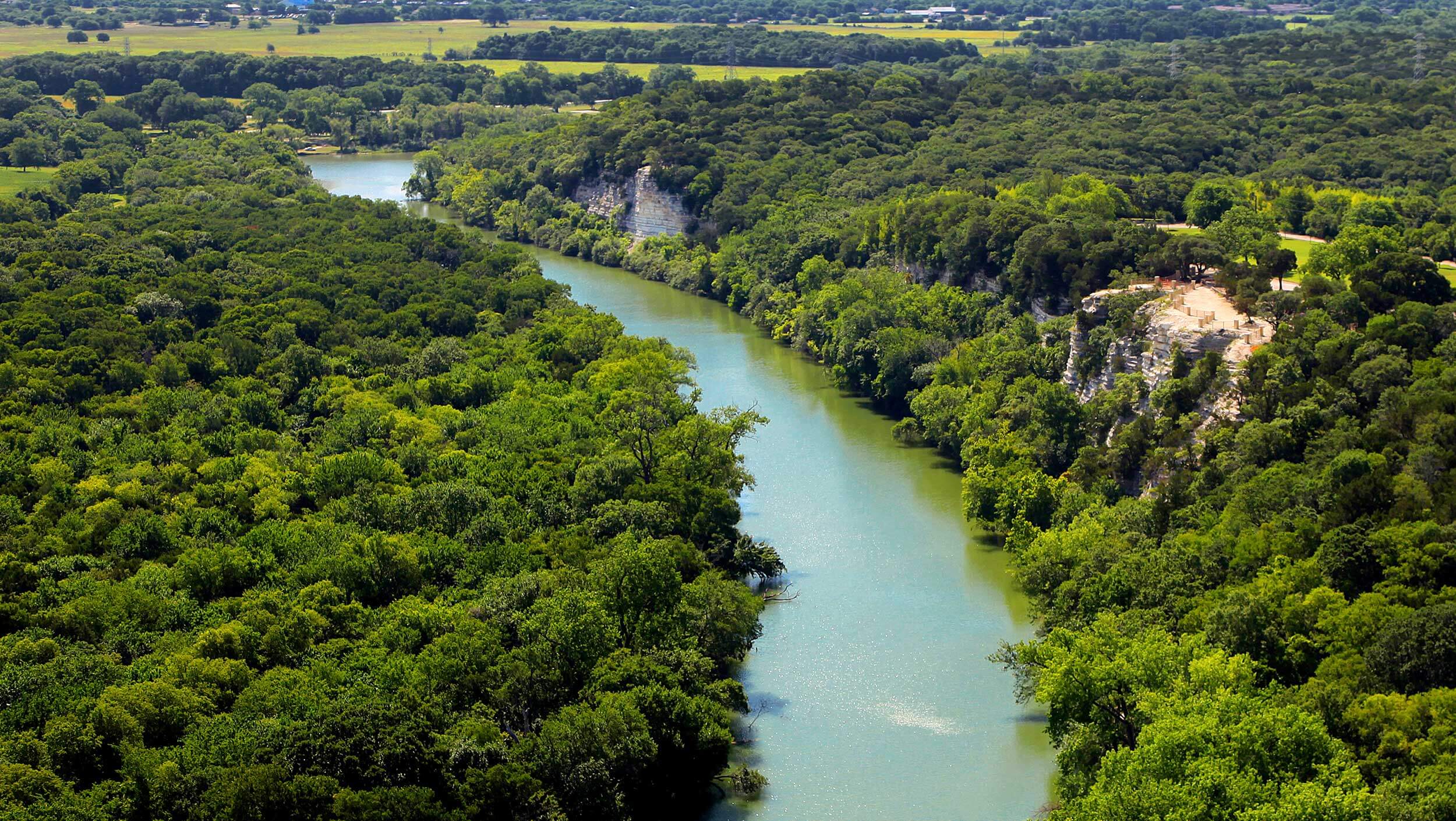
The Lone Star State has long been known for its diverse scenery, dynamic heritage, and rich agricultural heritage. However, in recent years, many parts of the state have faced an alarming dry spell, leaving local populations and ecosystems struggling to adapt. The impacts of this drought are felt not only in the crops and livestock farms that depend on regular rainfall but also in the everyday routines of Texans who appreciate their natural surroundings. Yet, amidst the challenges, there is a growing movement focused on Texas Dry Out and Restoration, aiming to heal the land and rejuvenate its health.
As the state grapples with the results of prolonged dry periods, creative strategies and dedicated initiatives are being embraced. Farmers are adopting efficient irrigation methods, local groups are rallying for sustainable practices, and researchers are exploring advanced solutions to mitigate the effects of drought. This spirit of determination is essential as Texas deals with the complexities of climate change and strives for a future where both its inhabitants and the ecosystem can thrive in harmony. Together, these programs represent a hopeful path toward surmounting the dry spell and renewing the Lone Star State for future generations.
Impact of Drought in Texas
The effects of dry spells in Texas is profound and far-reaching, influencing various aspects of life in the state. Farming, which constitutes a cornerstone of the Texas economy, is heavily impacted tremendously during arid seasons. Farmers encounter loss of crops and reduced yields, leading to financial difficulties and affecting food supply chains. This decline in agricultural output has effects that go beyond local economies but also affects national markets, raising food prices and increasing dependence on imports.
Water resources represent another critical area affected by drought. Texas is heavily dependent on reservoirs, rivers, and aquifers for water supply and irrigation. Extended dry conditions cause decreased water levels, straining municipal water supply systems and necessitating communities to enforce conservation measures. In some areas, the water scarcity can lead to conflicts between agricultural needs and urban consumption, highlighting the urgent need for sustainable water management practices.
The ecological consequences of drought prove to be equally significant. https://www.google.com/maps/dir/Ascension+Seton+Williamson+Round+Rock+TX/Texas+Dry+Out+and+Restoration+37+Valley+View+Dr+Round+Rock+TX+78664 boasts diverse ecosystems, from forests to wetlands, all of which rely on consistent rainfall. Prolonged dry periods can lead to habitat loss, jeopardizing wildlife populations and biodiversity. Furthermore, stressed ecosystems may turn more susceptible to wildfires, which create additional risks to human safety and property. The cumulative effect of these factors necessitates a comprehensive approach to restoration and management, highlighting the importance of proactive measures during and after drought conditions.
Rehabilitation Initiatives and Solutions
In response to the prolonged arid spells affecting Texas, numerous rehabilitation initiatives are being executed to restore the ecosystem and support local communities. Government agencies, nonprofit organizations, and local organizations are working together to create a thorough plan aimed at restoring water sources and rehabilitating landscapes. These initiatives prioritize restoring wetlands, replenishing aquifers, and increasing green spaces, all of which play a vital role in mitigating the effects of upcoming droughts.
Novel water management strategies are also being put into practice to enhance conservation and efficient use of water resources. Techniques such as collecting rainwater, graywater recycling, and better irrigation practices are growing in traction across city and agricultural settings. Educating citizens on sustainable practices is essential to ensure that these initiatives are successful and long-lasting, leading to a collective awareness of water conservation and its importance for Texas’ prospects.
Moreover, community engagement is crucial in these restoration efforts. Local volunteers are participating in tree planting, soil conservation, and habitat restoration projects, reinforcing the connection between residents and their environment. By fostering a sense of ownership and responsibility, communities can contribute to a robust ecosystem that not only tackles the urgent challenges posed by drought but also promotes enduring sustainability for upcoming generations.
Community Resilience and Adjustment
Neighborhoods across the Lone Star State have faced the challenges brought on by prolonged dry spells, uniting to devise creative strategies for adjustment and recovery. Local groups and residents have embraced water conservation methods such as collecting rainwater and drought-resistant landscaping, which reduce water use while still preserving vibrant gardens and green areas. These initiatives not only enhance the resilience of communities but also foster a sense of unity as neighbors come together to build a sustainable future.
Education plays a crucial role in bolstering community resilience. Schools and local groups are actively promoting awareness of the importance of water conservation and sustainable practices within their communities. Workshops and community events allow families to learn about water-efficient landscaping, effective irrigation techniques, and the value of local flora in conserving water and supporting local habitats. This knowledge empowers individuals to make informed decisions that contribute to the overall health of their environment.
Finally, local government has become increasingly involved in creating policies that support long-term viability. By investing in infrastructure improvements such as water storage facilities and efficient water distribution systems, cities can better manage water supplies during droughts. These actions signify a commitment to not only address existing issues but also to prepare for upcoming climate variability. As communities adapt and evolve, the collective actions serve as a proof to Texas's enduring character and determination to overcome adversity together.